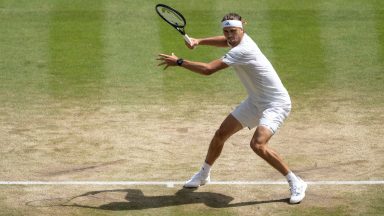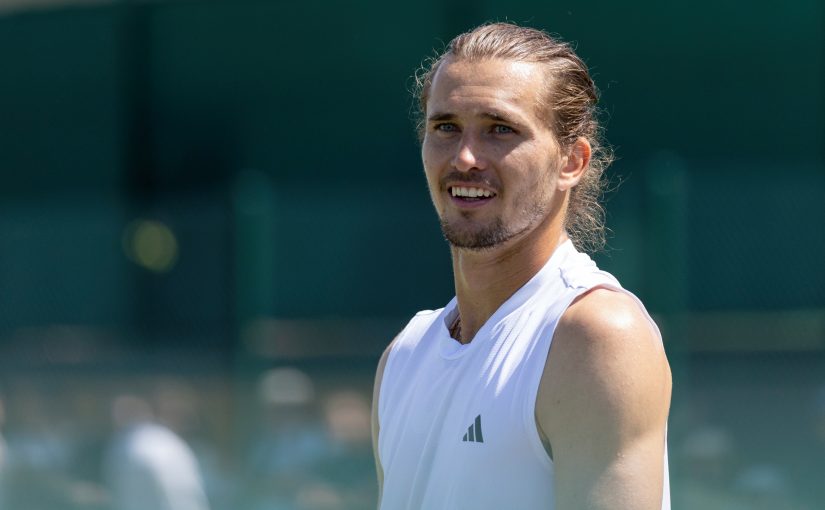
Alexander Zverev’s fourth-round match against Jiri Lehecka became the first match of the 2026 Wimbledon Championships to be halted by Wimbledon’s 11pm curfew on Monday.
Play was suspended with the German leading 6-4, 7-5, 3-3 on Centre Court and will resume the following day.
The delay came after the match started later than scheduled following Arthur Fery’s five-set battle against Grigor Dimitrov earlier in the day.
View this post on Instagram
Wimbledon introduced the curfew in 2009 when Centre Court received its retractable roof and floodlights.
Although play can continue indoors regardless of weather, matches must finish by 11pm local time under planning conditions agreed with local authorities.
The rule is designed to minimise disruption to nearby residents, reduce late-night noise and allow spectators and staff sufficient time to leave the grounds using public transport.
Coco Gauff came within minutes of becoming the curfew’s first victim a day earlier.
The American completed her fourth-round victory over Belinda Bencic at approximately 10:58pm, just two minutes before the deadline.
View this post on Instagram
While Zverev vs Lehecka became the first match this year to be affected by the curfew, they were not the first to become a two-day affair.
Matches outside Centre Court and No. 1 Court rely entirely on natural daylight and are suspended once conditions become too dark to continue safely.
Several other matches have therefore stretched into the next day during this year’s Championships, including Brandon Nakashima’s first-round clash with Jack Pinnington Jones and Rafael Jodar’s meeting with Pablo Carreno Busta.
View this post on Instagram