Wimbledon has long been defined by traditions that distinguish it from the other Grand Slam tournaments, from its grass courts and dress code to its officiating and match formats.
Over the past quarter-century, however, the Championships have introduced a series of significant rule changes affecting officiating, scoring, player welfare and clothing regulations. The latest development is the introduction of video review technology this year.
With that in mind, here are some of the biggest changes Wimbledon has made in the 21st century.
View this post on Instagram
Video review technology (2026)
Video review technology will allow players to challenge certain judgment calls made by chair umpires for the first time in the tournament’s history. The system applies to situations such as double bounces, net touches, hindrance calls and foul shots. Reviews are available on six show courts, including Centre Court and No. 1 Court, and players are not limited in the number of reviews they can request.
View this post on Instagram
Automated line-calling system (2025)
One of Wimbledon’s most recognisable traditions ended in 2025 when live electronic line calling replaced human line judges across all courts. The introduction of electronic line calling removed the player challenge system and made automated calls the sole authority on line decisions.
View this post on Instagram
Relaxation of the all-white rule for women (2023)
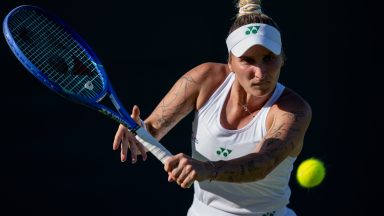
Wimbledon’s strict all-white clothing regulations have been one of the tournament’s defining traditions. However, following calls from players and campaigners, the All England Club amended the rules in 2023 to allow female players to wear dark-coloured undershorts beneath their clothing following concerns surrounding menstruation.
Men’s doubles shortened to best-of-three (2023)
Men’s doubles matches at Wimbledon were played over five sets for more than a century before the format changed in 2023. The tournament reduced matches to best-of-three sets to align with the wider professional doubles circuit and ease scheduling pressures during the fortnight. The change also reduced the physical demands placed on doubles specialists, particularly those competing in multiple events.
End of unlimited final sets (2019, revised in 2022)
For much of its history, Wimbledon required players to win the deciding set by two clear games, allowing matches to continue indefinitely. The most famous example came in 2010 when John Isner defeated Nicolas Mahut 70-68 in the fifth set in the longest match in professional tennis history.
Wimbledon introduced a final-set tiebreak at 12-12 in 2019 before joining the other Grand Slams in 2022 by adopting a 10-point tiebreak at 6-6 in deciding sets. The change effectively ended the possibility of marathon matches and brought the Championships into line with the rest of the sport.
Heat rule policy (2019)
Wimbledon formalised its heat rule as part of efforts to improve player welfare during periods of extreme temperatures. Under the current regulations, a 10-minute cooling break (15 minutes for wheelchair events) is permitted between the second and third sets in best-of-three matches, or between the third and fourth sets in best-of-five matches, when the heat stress index reaches or exceeds 30.1 degrees Celsius.